
Rhinoplasty
Rhinoplasty is one of the most intricate and complex of all facial surgeries. To be successful, it must be performed with the most advanced surgical techniques. If you are considering altering the appearance of your nose, read this comprehensive guide to get the facts to make an informed decision
Am I a Candidate for Rhinoplasty?
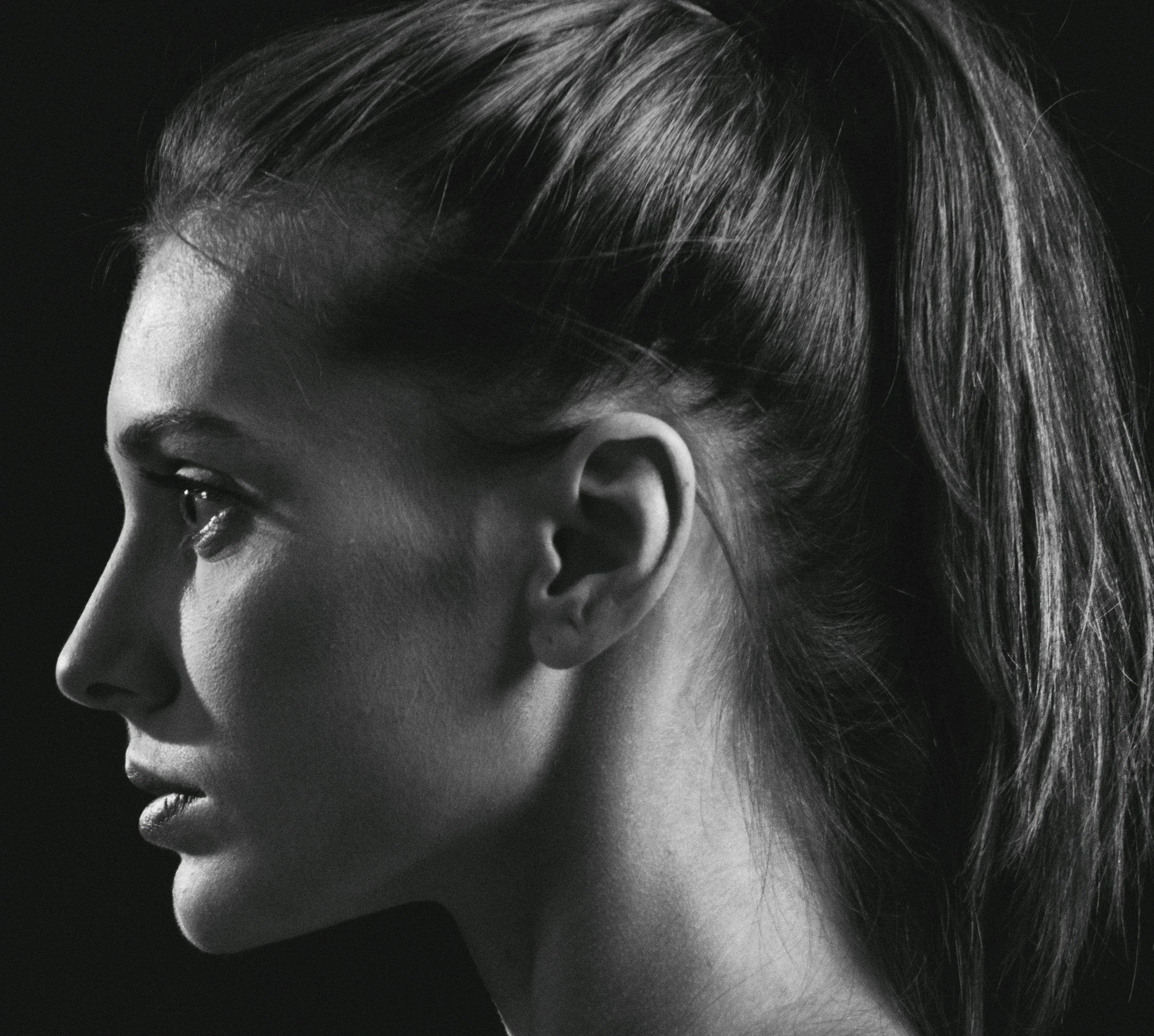
Most patients who choose to undergo rhinoplasty do so because they feel embarrassed or inhibited by the size, shape, or projection of the nose. As it is the central feature of the face, there is no hiding a flaw, whether it is a hump on the bridge, droopy, large, or bulbous tip, or an aesthetic problem related to overlarge, wide nostrils, or a flat bridge or asymmetrical shape. If you find your cosmetic issue here, you are a likely candidate for rhinoplasty.
Tables of Candidacy
Large Nose
While your nose brings character to your face, there can be too much of a good thing. If your nose is out of balance with your other features, it can be corrected and reshaped to create a more pleasing harmony in facial balance.
nasal Bridge Hump or Bump
Depending upon the size and projection of a hump, whether created by bone, cartilage, or a combination, smoothing it can dramatically improve your overall appearance to enhance your features.
Wide, Large, Long, or Misshapen Nostrils
Many patients undergo rhinoplasty to correct over-wide, protruding, or long nostrils, or to resolve a unique nostril shape problem. The nostrils can be custom-altered so they better suit your face and are less prominent and visible.
Unsightly Nose Tip
Some people inherited features they don’t appreciate, such as a large, drooping, bulbous, or pinched nose tip. Rhinoplasty surgery can reshape the cartilage to create a more balanced and attractive profile.
Other Problems: Asymmetry, Concave Bridge, Crooked Nose
For a cosmetic issue such as lack of volume on bridge, an asymmetrical nose, or a crooked nose, a custom rhinoplasty can be performed by adding volume, straightening, or correcting an uneven nose structure.
Types of Rhinoplasty
A rhinoplasty can serve several purposes. Most often it is performed for cosmetic reasons but may be used to correct functional problems or restore a natural look to the nose after trauma.
Cosmetic
Most rhinoplasty surgeries are performed to improve nose appearance for cosmetic reasons, whether reducing nose size, projection, altering shape, smoothing a hump, adding volume to a flat bridge, or altering size and shape of overlarge nostrils.
Ethnic
Custom ethnic rhinoplasty is performed to restructure the nose to better enhance the other ethnic features – when performed with an artistic eye. The most effective and beautiful results are achieved by a full evaluation of the facial structure of the individual and subtle changes made that honor heritage while creating a more attractive look.
Non-Surgical
Some patients who require minor revisions can achieve an excellent result without undergoing surgery. The custom application of dermal fillers can subtly raise the nose tip, smooth a minor hump, or create a more attractive nose tip if it has depressions or has a pinched look.
Functional
A functional rhinoplasty is performed to resolve a structural problem affecting healthy breathing. In many cases, the function of the nose along with appearance are resolved in a single surgery.
Recovery time
The recovery from rhinoplasty varies person to person, but in general, plan for two weeks off work and other regular activities. It is usual to wear a nose “splint” for the first week, and to experience swelling and bruising. You should be comfortable returning to work or social activities within about one to two weeks
Immediately After
Immediately after your surgery, which will take several hours, you will recover under observation. Once you have become alert and all is well, you will be released to be driven home.
Two weeks
The majority of uncomfortable congestion is largely resolved, and swelling has greatly reduced. Limited residual swelling, with minor bruising lingering for some patients.
Three months
Your reshaped nose is starting to appear natural, with swelling significantly improved, and refinements starting to reveal. You are now free to exercise as you wish, play sports, and run. Always take great care with your nose, as any impact can damage the delicate structure
One year
After a year, your new nose shape is truly a part of you, stable, balanced, and the incision site faded to the point of being almost imperceptible. All reshaping and refinements are fully achieved for most patients.
Day of
The day of your rhinoplasty will be a long one. You will awaken early for surgery, have anesthesia administered, undergo hours of surgery, and then return home. Most patients just want to rest and recover for the rest of the day. Sleeping with your head elevated or resting in a reclining chair is the preferred position for recovery.
One week
After one week, congestion is reducing, and the splint can be removed. Maximum swelling peaks at about three days and has begun to diminish slowly by the end of week one. Some patients feel well enough to return to work.
One month
Your nose is beginning to take shape and you may find yourself smiling at your image when you look in the mirror.
Six months
Your nose is now mostly healed, and you may not pay much attention to it, are familiar with your new image in the mirror, and likely are experiencing a great increase in confidence in how you look
Your nose is beginning to take shape and you may find yourself smiling at your image when you look in the mirror.
Frequently asked questions
-
Your activities will be restricted for two weeks. You cannot return to any vigorous exercise until your swelling has reduced and the facial area is more stable. Most cardio and weight-training can be resumed at the two to three week mark. Contact sports are to be avoided for six weeks.
-
It is advised not to blow your nose after rhinoplasty for the first one to two weeks as there is a higher likelihood of developing a nose bleed. After surgery, nasal rinses are advised during the healing period to clean and clear the nasal passageways.
Sneezing is okay and it is generally recommend to sneeze with your mouth open.
-
Never undergo elective surgery when pregnant as it could affect the health of a growing child. You must wait until your child is born to plan to have this surgery.
-
If you have nasal allergies, get treatment in the months prior to your surgery. The surgery may lead to some benefits when the nasal passages are corrected during the procedure, as you will have healthier air flow, however disease like allergies and sinusitis are not cured with rhinoplasty.
-
If splints are used, they are typically removed 1 week post-surgery.
Dr. Farhood does not use any packing after rhinoplasty surgery. His careful and gentle technique generally results in less bleeding and thus, packing is not required.
-
During your consultation, Dr. Farhood will determine a specific plan for your rhinoplasty. He will assess the structure and function of your current nose and determine the possibilities as well as describe the limitations. Digital imaging is provided during the appointment. Dr. Farhood will use this tool to show you what your nose can look like after surgery. Rather than using this as a selling tool, he uses it as a form of visual communication whereby he can show you the expected result based on his experience performing over 100 rhinoplasties per year.